UK consumers still spend around £238bn a year in cash. Handling it costs a merchant considerably more per transaction than taking a card, and almost nobody looks at what that costs them.
The supply side — cash-in-transit, cash-centre banking, smart-safe provision — is concentrated in a handful of firms worldwide. Contracts run long, pricing is opaque, and there is virtually no independent advice available to the businesses buying these services. In sectors where cash sits at the centre of operations, it is very often where the largest single saving turns out to be.
This is the part of the payments cost stack we know best.


high cash volumes, often managed manually, with little visibility of what collection, counting and banking actually costs across the estate.

cash handling costs concentrated in counting, cash-in-transit and the bank's deposit charges; smart-safe deployment often the fastest route to meaningful savings.
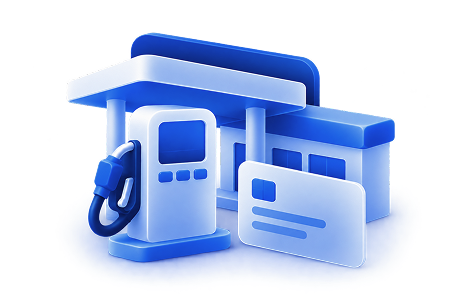
cash still significant at the pump and in the shop; pre-authorisation costs and fuel-card interchange the other main lines to examine.

fare collection, cash-handling logistics and the reconciliation cost between cash and card receipts.
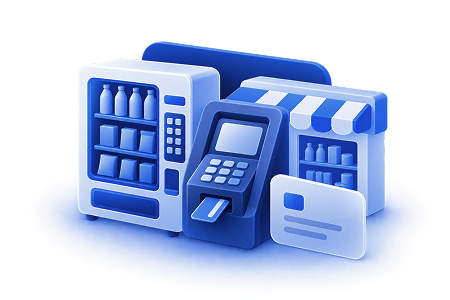
low-value, high-volume cash transactions with CIT costs that frequently exceed the value being collected.

We review the whole cash operation rather than one part of it. That means modelling whether smart safes pay for themselves in your estate and over what period, benchmarking and renegotiating the cash-in-transit contract against what the market is charging now, examining the bank's deposit and cash-centre terms, and looking at how change orders, replenishment and float are managed day to day.
Where the volumes justify it, we also look at same-day-value funding, which credits takings to the account at the point the safe accepts them rather than when the money reaches the bank. For businesses holding large overnight balances, the combination of faster crediting and properly remunerated deposit arrangements can represent as much value as the reduction in cash-handling costs.
The first conversation takes half an hour, costs nothing and commits you to nothing. If there is nothing here for you, we will say so.
ARRANGE A CONSULTATION